Garage door safety sensors play a critical role in protecting people, pets, and property. These small devices stop the door from closing when something blocks its path. Many homeowners rarely think about sensors until the door refuses to close or behaves unpredictably. When sensors fail, safety and reliability are immediately at risk.
Faulty or aging safety sensors can cause serious problems. Misalignment, dirt buildup, or wiring issues may prevent the system from working correctly. Homeowners often wonder how these sensors function, how long they last, and when replacement becomes necessary. Ignoring sensor issues can lead to accidents, property damage, or door malfunctions.
In this guide, you will learn how garage door safety sensors work and when to replace them. We will explain common sensor problems, risks of continued use, and signs that indicate professional service is needed.
What Garage Door Safety Sensors Do and Why They Matter
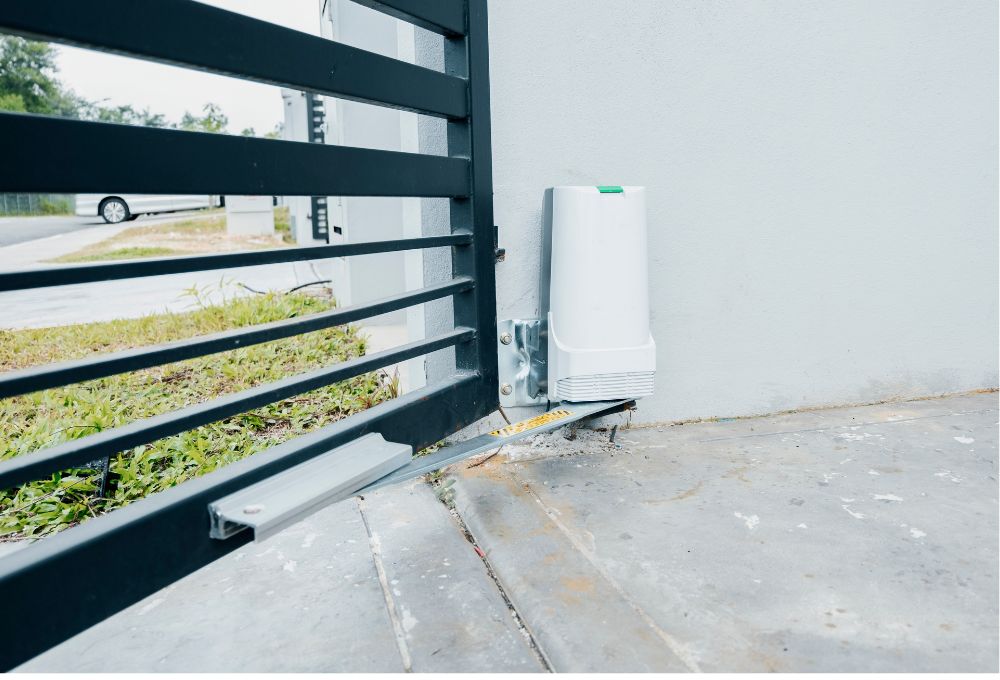
Garage door safety sensors prevent the door from closing when something blocks its path. They use an infrared beam to detect objects near the ground. When the beam breaks, the door stops or reverses direction. This function protects people, pets, and vehicles from injury or damage.
Safety sensors also support reliable door operation. Proper alignment ensures the opener responds correctly during use. When sensors fail, the door may refuse to close or behave unpredictably. Many sensor issues are identified during routine garage door repair, which helps restore safe and dependable performance.
Functional safety sensors are required for modern garage doors. They reduce accident risk and meet safety standards. Keeping sensors clean, aligned, and powered ensures long-term protection and smooth operation.
Common Problems That Affect Garage Door Safety Sensors
Garage door safety sensors can fail due to dirt, misalignment, or wiring issues. Obstructions block the sensor beam and stop normal operation. Loose mounts or vibrations can knock sensors out of alignment. Aging parts and accessories may also reduce reliability, causing the door to reverse or refuse to close.
Dirty or Obstructed Sensor Lenses
Dirty or blocked sensor lenses interrupt the safety beam. Dust, debris, or stored items often cause obstruction. The door may stop or reverse unexpectedly. Nearby movement from worn rollers and cables can also shake debris into the sensor path.
Misaligned Safety Sensors
Misaligned safety sensors prevent the infrared beam from connecting properly. Even slight movement can disrupt sensor alignment. This issue often causes the door to stop or reverse during closing. Vibration from worn components, including broken springs, can contribute to sensors shifting out of position.
Wiring or Power Issues
Wiring or power issues can prevent garage door safety sensors from working correctly. Loose connections, damaged wires, or power interruptions may stop the sensors from sending signals. These problems often cause the door to behave unpredictably. In some cases, system strain and vibration linked to noisy doors can worsen wiring issues over time.
Sunlight Interference or Environmental Factors
Direct sunlight can interfere with garage door safety sensors. Bright glare may block or confuse the sensor beam. Rain, dust, and temperature changes can also affect performance. Door movement issues, including off track doors, may increase sensor misalignment over time.
Sensor Wear or Age-Related Failure
Garage door safety sensor problems often start small but create serious issues over time. Dirt, misalignment, wiring faults, sunlight interference, and aging components can disrupt sensor function. When sensors fail to communicate properly, the door may stop, reverse, or refuse to close. These problems reduce reliability and interrupt daily use.
Ignoring sensor issues increases safety risks and system strain. Faulty sensors can interfere with garage door openers and other connected components. Over time, this leads to inconsistent performance and higher repair needs. Addressing sensor problems early helps restore safe operation and prevents larger system failures.
Risks of Operating a Garage Door With Faulty Safety Sensors
Operating a garage door with faulty safety sensors creates serious safety risks. The door may close without detecting objects in its path. This failure increases the risk of injury to people and pets. Vehicles and stored items may also suffer damage.
Faulty sensors can cause unpredictable door behavior. The door may stop suddenly or refuse to close properly. These issues strain the opener and related components. Over time, system reliability continues to decline.
Ignoring sensor problems can also limit improvement options during renovating your garage door projects. Safety issues must be resolved before upgrades. Addressing sensor faults early helps protect safety and long-term performance.
When to Replace Garage Door Safety Sensors
Garage door safety sensors should be replaced when cleaning and realignment no longer fix the issue. Sensors that fail to respond consistently signal internal damage. Frequent reversing or refusal to close often indicates replacement is needed.
Age also plays a role in sensor reliability. Older sensors may not meet current safety standards. Wear can weaken detection accuracy over time. Replacement restores dependable performance and improves overall safety.
Replacement is also recommended when repeated problems affect daily use. Ongoing sensor faults often connect to larger system concerns. Reviewing warning signs outlined in does your garage door need repairs helps determine the right time to act.
Schedule Trusted Garage Door Safety Sensor Service
Garage door safety sensors protect people, pets, and property during daily use. When sensors fail, the door can behave unpredictably and create safety risks. Professional service ensures sensors work correctly and respond as intended. Proper inspection helps identify alignment, wiring, and performance issues early. Regular checks also reduce false reversals and prevent sudden closing problems. This keeps the system reliable and supports safer day-to-day operation.
Experienced technicians understand how safety sensors integrate with the full garage door system. They test sensor accuracy, confirm proper alignment, and verify opener response. This detailed approach restores reliable operation and reduces strain on connected components. Professional service also ensures compliance with current safety standards.
If your garage door reverses unexpectedly or refuses to close, it is time to act. Contact Precision Door Irvine to schedule professional safety sensor service. Timely repairs help restore safe operation and provide peace of mind.