
How to Fix a Noisy Garage Door
How to Fix a Noisy Garage Door: Expert Repair and Maintenance Solutions
A noisy garage door can be a source of annoyance, impacting not only the tranquility of your home but also the functionality of the door itself. Understanding the mechanics behind garage door noise is crucial for homeowners seeking effective solutions. This article delves deep into common causes of noise, expert repair techniques, and essential maintenance solutions to ensure your garage door operates quietly and efficiently. Many homeowners are often left wondering how to fix a squeaky garage door and what steps can be taken for long-term relief.
You’ll learn about various noise sources, expert repair methods, and proactive maintenance tips that can help you keep your garage door in prime condition. This comprehensive guide will also highlight signs indicating when repairs are necessary, ensuring you stay ahead of potential issues.
Common Causes of Noise:
Identifying the various sources of noise in garage doors is essential for effective repairs. Multiple factors can contribute to the unwelcome sounds emanating from your garage door, often signaling underlying issues.
- Worn or Damaged Rollers: Over time, rollers can deteriorate, causing them to misalign and create a grinding noise.
- Loose Hardware: Nuts, bolts, and screws can loosen with regular use, leading to rattling sounds.
- Misaligned Tracks: Tracks that are not properly aligned can cause the door to move awkwardly, producing noise.
- Lack of Lubrication: Insufficient lubrication in the moving parts can result in squeaks and creaks as the door operates.
Recognizing these noise sources is the first step toward effective repairs. Once identified, applying appropriate expert techniques can significantly mitigate the racket.
Expert Repair Techniques:

Highlighting expert methods for noise reduction in garage doors can save homeowners time and money. Addressing noise issues not only restores quiet operation but also extends the lifespan of the garage door. For issues related to noisy door operation, specific repair techniques are most effective.
- Roller Replacement: Replacing worn-out rollers with high-quality alternatives can dramatically alleviate noise, ensuring smoother operation. If your rollers are the issue, consider rollers and cables replacement as part of your solution.
- Tightening Hardware: Regularly checking and tightening any loose nuts and bolts can prevent rattling that exacerbates noise.
- Track Adjustment: Realigning misaligned tracks, adjusting them can help the door move more freely, reducing unwanted sounds. This is particularly important if you are experiencing issues with off-track doors.
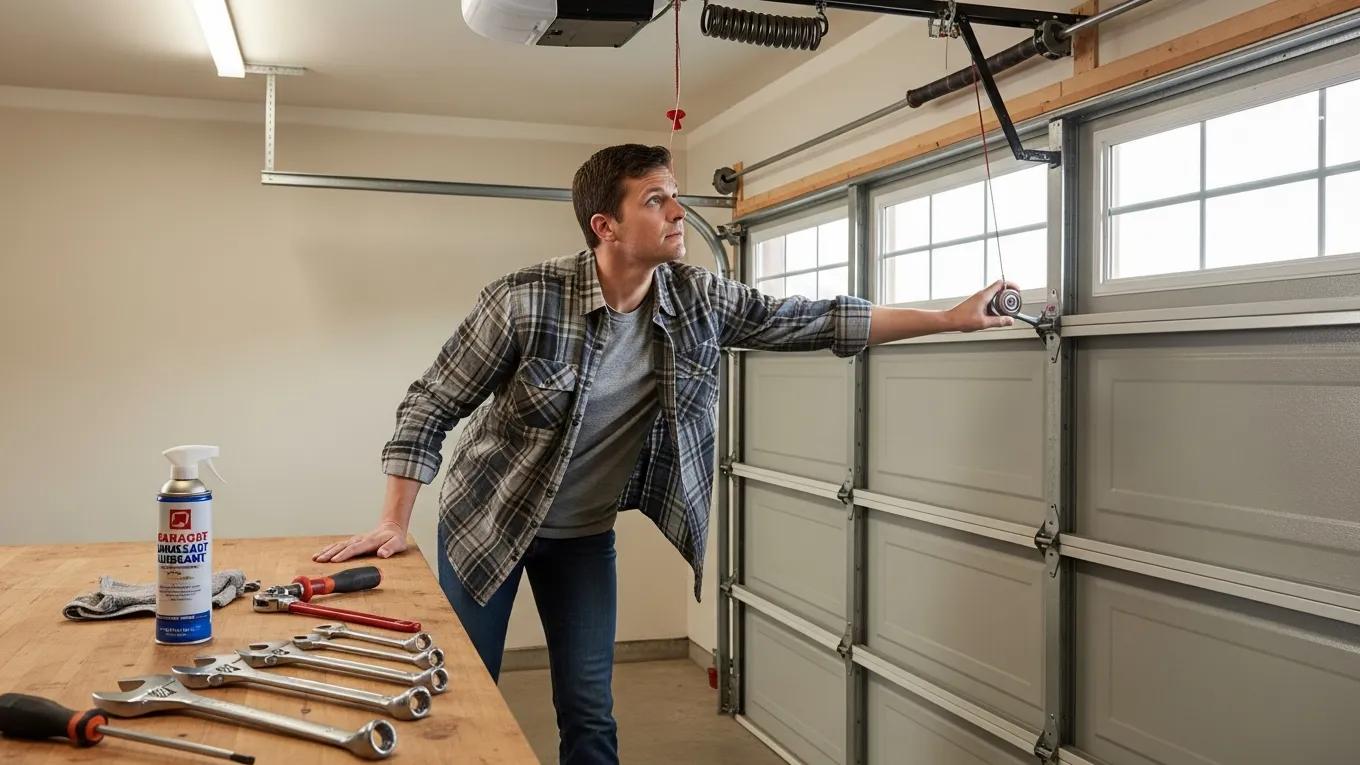
- Lubrication: Applying the best lubricants for garage doors, such as silicone or lithium-based sprays, ensures that moving parts operate smoothly and quietly.
Implementing these techniques will not only reduce noise but also enhance the overall performance of your garage door.
How Can You Properly Lubricate Garage Door Components?
Proper lubrication is crucial for maintaining a quiet garage door. To lubricate effectively:
- Start by cleaning dirt and debris from hinges and rollers.
- Apply a suitable lubricant to all moving parts, including rollers, hinges, and the track.
- Make sure to wipe off any excess to avoid attracting dust.
What Are the Best Lubricants for Garage Door Rollers and Hinges?
Some top lubricants for garage doors include:
- Silicone Spray: Offers a lasting barrier against moisture and dirt.
- Lithium Grease: Perfect for heavy-duty applications, providing long-lasting lubrication.
- Graphite Powder: An excellent choice for locks and keyholes that assists in reducing friction.
Using the right products will ensure optimal lubrication that minimizes noise and maximizes performance.
Maintenance Solutions:
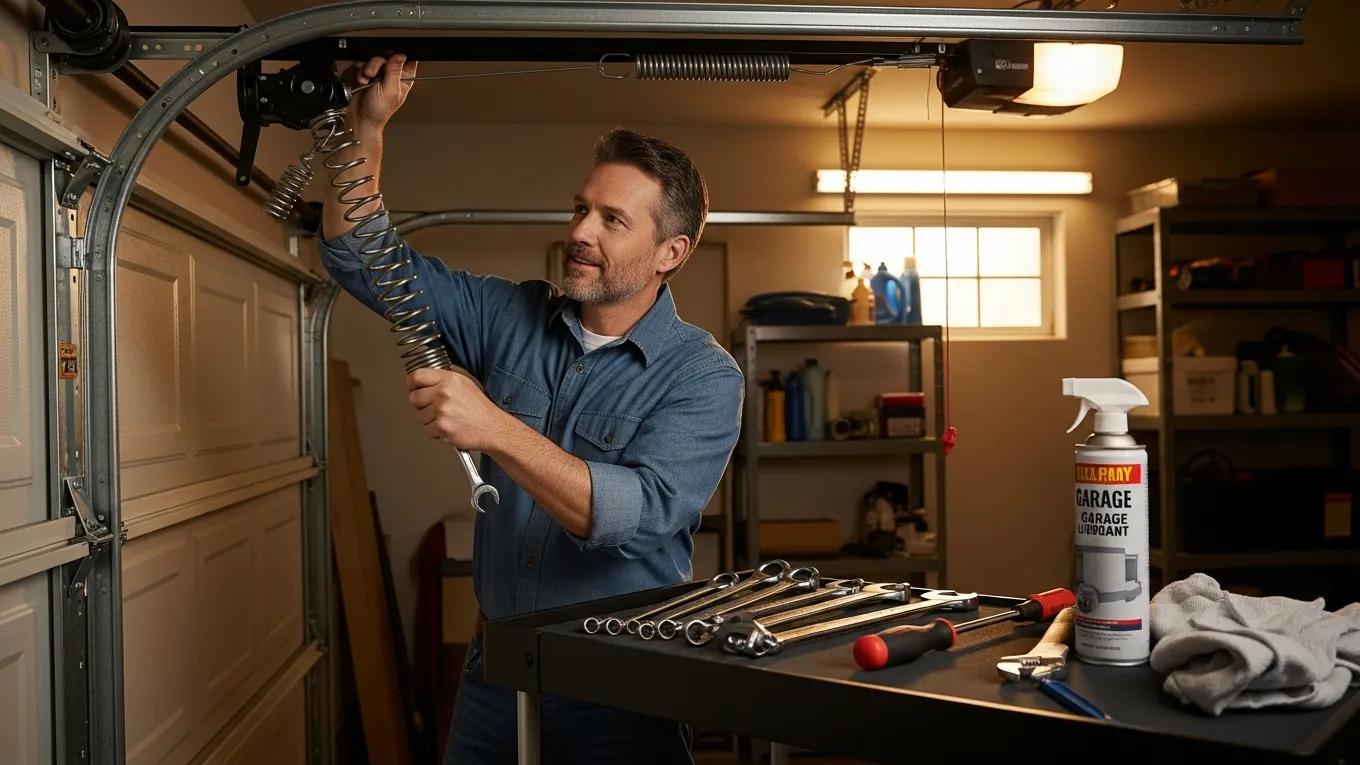
Offering practical maintenance tips for preventing noise can help homeowners avoid loud disturbances. Regular maintenance is a key factor in ensuring that garage doors operate quietly over time.
- Regular Inspections: Conducting periodic checks can catch issues before they become major problems, keeping your door in great shape.
- Lubrication Schedules: Establishing a consistent lubrication routine can prevent squeaks and maintain optimal functioning.
- Weatherstripping Replacement: Replacing old weatherstripping can prevent noise caused by gaps and ensure a tight seal.
By integrating these maintenance strategies into your routine, you can significantly reduce the likelihood of future noise-related issues.
When and How Should Garage Door Rollers Be Replaced?
Replacing garage door rollers should be considered when noises persist despite other repairs. If you suspect your springs are the cause of issues, consider seeking expert help for broken springs repairs.
- Carefully remove the old rollers from the track.
- Install new rollers by aligning them with the track, ensuring they fit securely.
- Regularly check for wear and replace as needed.
How to Adjust Garage Door Tension to Prevent Noise Safely?
Proper tension adjustment is crucial for quiet operations. Adjusting the tension springs helps maintain the door’s balance.
- Use a socket wrench to adjust the tension; ensure you do not overtighten to prevent damage.
- Test the door’s balance by opening it halfway—it should remain at that position without assistance.
- Adjust as necessary until the optimal tension is achieved.
Why Is Correct Tension Important for Quiet Garage Door Operation?
Correct tension ensures the garage door opens and closes smoothly, preventing sudden jerks that cause noise. Maintaining this balance prolongs the life of the door and its components.
What Are Professional and DIY Methods for Tension Adjustment?
Depending on your comfort level, both professional and DIY methods exist for tension adjustment. For comprehensive care and replacement parts, explore options for garage door parts and accessories.
- Professional Help: Hiring a garage door service can ensure safe and effective tension adjustments.
- DIY Approach: For the adventurous, carefully follow manufacturer instructions and use proper tools to adjust tension levels.
Integrating these practices into your home maintenance schedule can ensure your garage door operates quietly and efficiently, preventing future disturbances.
Signs You Need Repair:
Understanding when to seek professional help for your garage door can prevent minor issues from escalating into significant repairs. Here are some signs indicating that a garage door may need repairs:
- Loud or Unusual Noises: Persistent banging or grinding noises indicate underlying mechanical issues.
- Slow or Jerky Movement: Inconsistent movement when opening or closing signals potential problems with the motor or tracks.
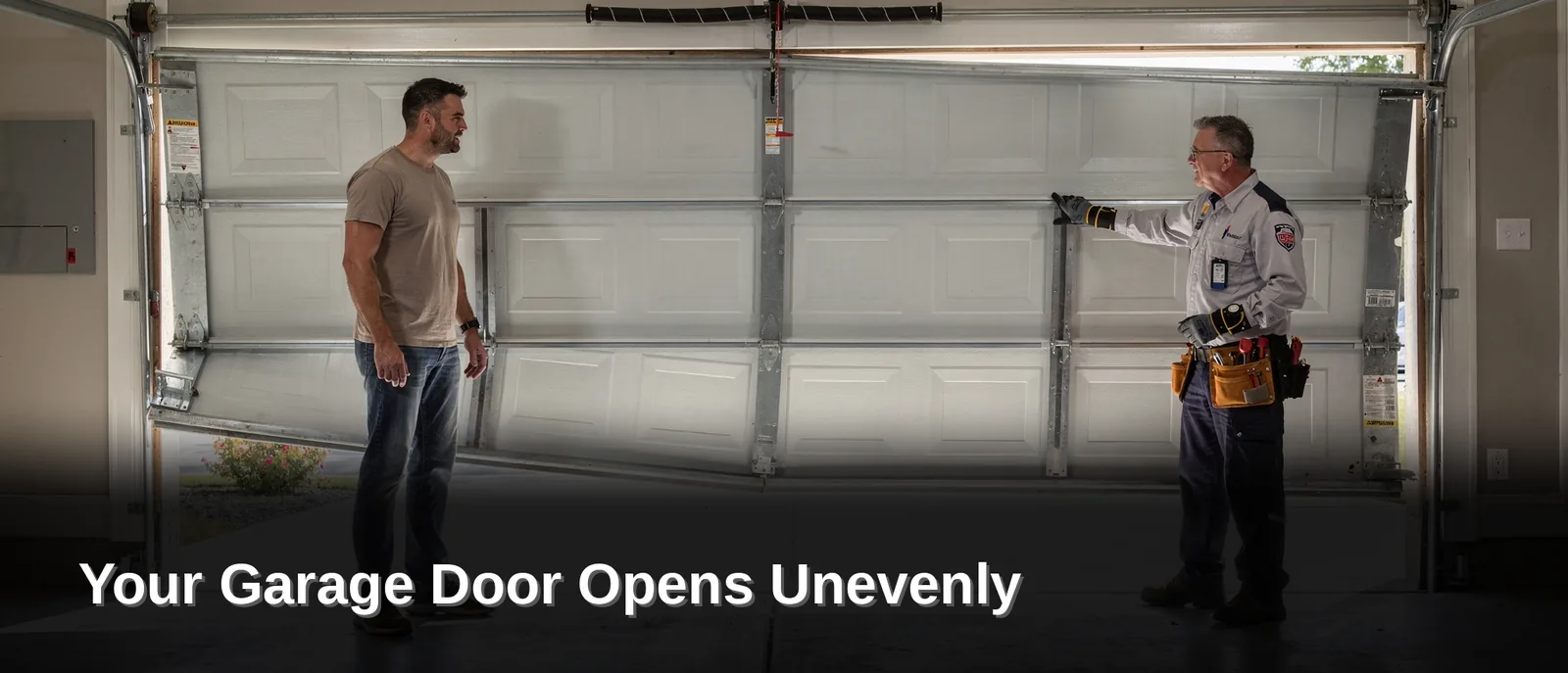
- Uneven or Sagging Door: A door that appears crooked or uneven may need immediate attention to avoid further damage.
Detecting these signs early can save both time and money, ensuring proper functionality and safety.
In conclusion, fixing a noisy garage door involves a thorough understanding of common causes, expert repair techniques, and effective maintenance solutions. Regular maintenance practices and attention to detail can ensure your garage door operates quietly and extends its lifespan. For residents in Irvine, CA, Precision Garage Door Service offers professional maintenance and installation services to keep your garage door in top condition.