What Causes a Garage Door to Go Off Track?
What Causes a Garage Door to Go Off Track?
Garage doors are essential components of residential properties, providing security and convenience. However, garage doors can sometimes go off track, leading to operational issues and potential safety hazards. Understanding the underlying causes of this malfunction allows homeowners to take necessary measures to rectify or prevent the problem. In this article, we will explore why garage doors go off track, present guided repair tips, discuss safety considerations, and suggest preventive measures that can be taken. Furthermore, Precision Garage Door Service specializes in garage door services, including expert off-track garage door repair and diagnostics in Irvine and Orange County.
Comprehensive Analysis of Garage Door Going Off Track
Several factors contribute to garage doors going off track. Each of these issues affects the functionality and safety of the door, and addressing them promptly is crucial.
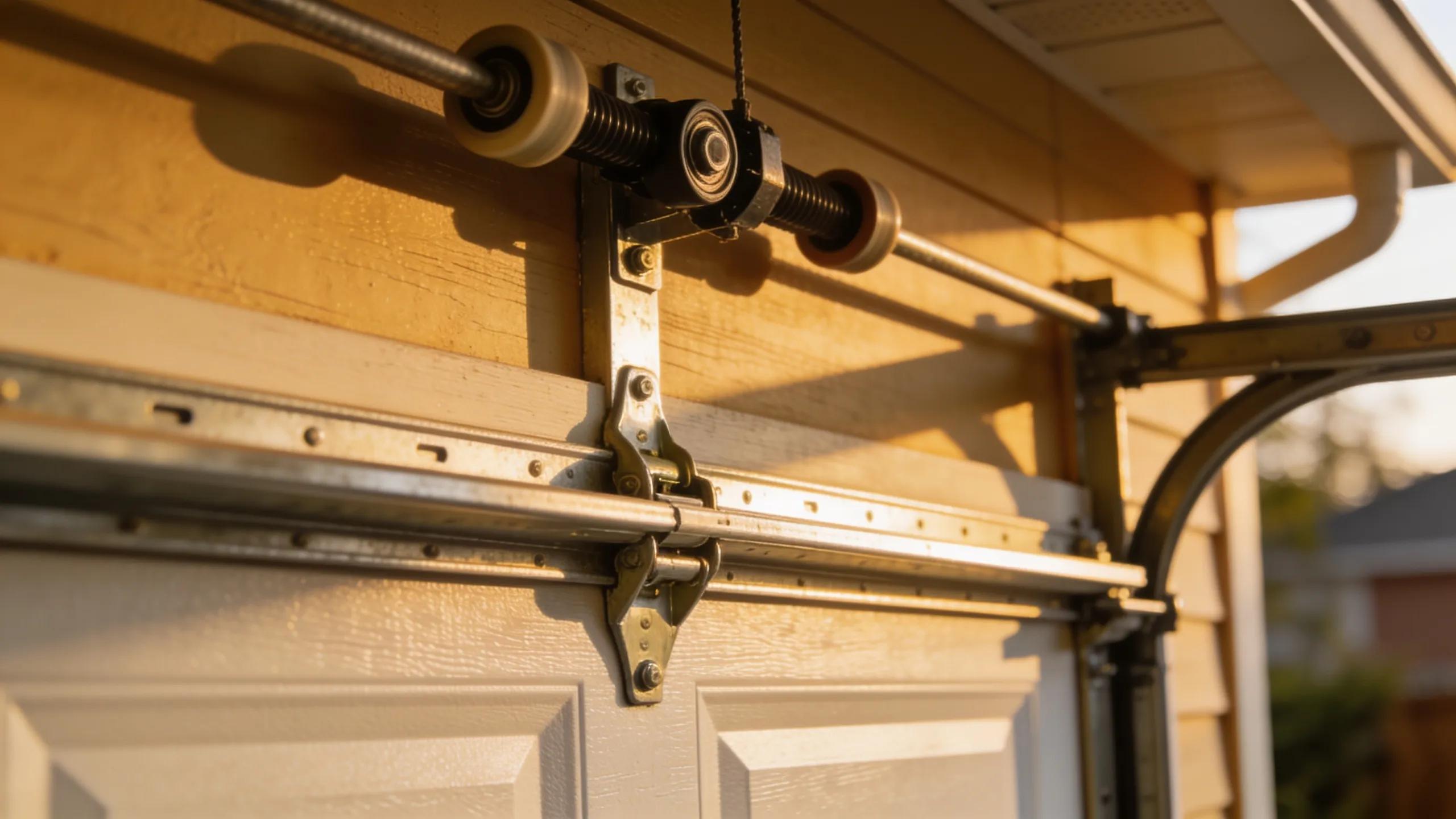
- Damaged Tracks: Over time, tracks can become bent or damaged, preventing the rollers from moving smoothly, which increases friction and misalignment.
- Loose Tracks: When tracks become loose, they may not hold the door correctly in place, leading to a variety of alignment issues.
- Misalignment from Force: Forceful impacts from vehicles or heavy objects can misalign the door and its tracks, making it difficult for the door to function normally.
- Impact Damage: Hitting the garage door with a vehicle can cause significant structural concerns leading to off-track issues that require immediate attention.
- Broken Rollers or Springs: Worn-out rollers or springs can hinder the door’s operation, causing it to become stuck or misaligned.
Recognizing these causes early on can help homeowners avoid more severe problems and safety issues.
Repair Guidance
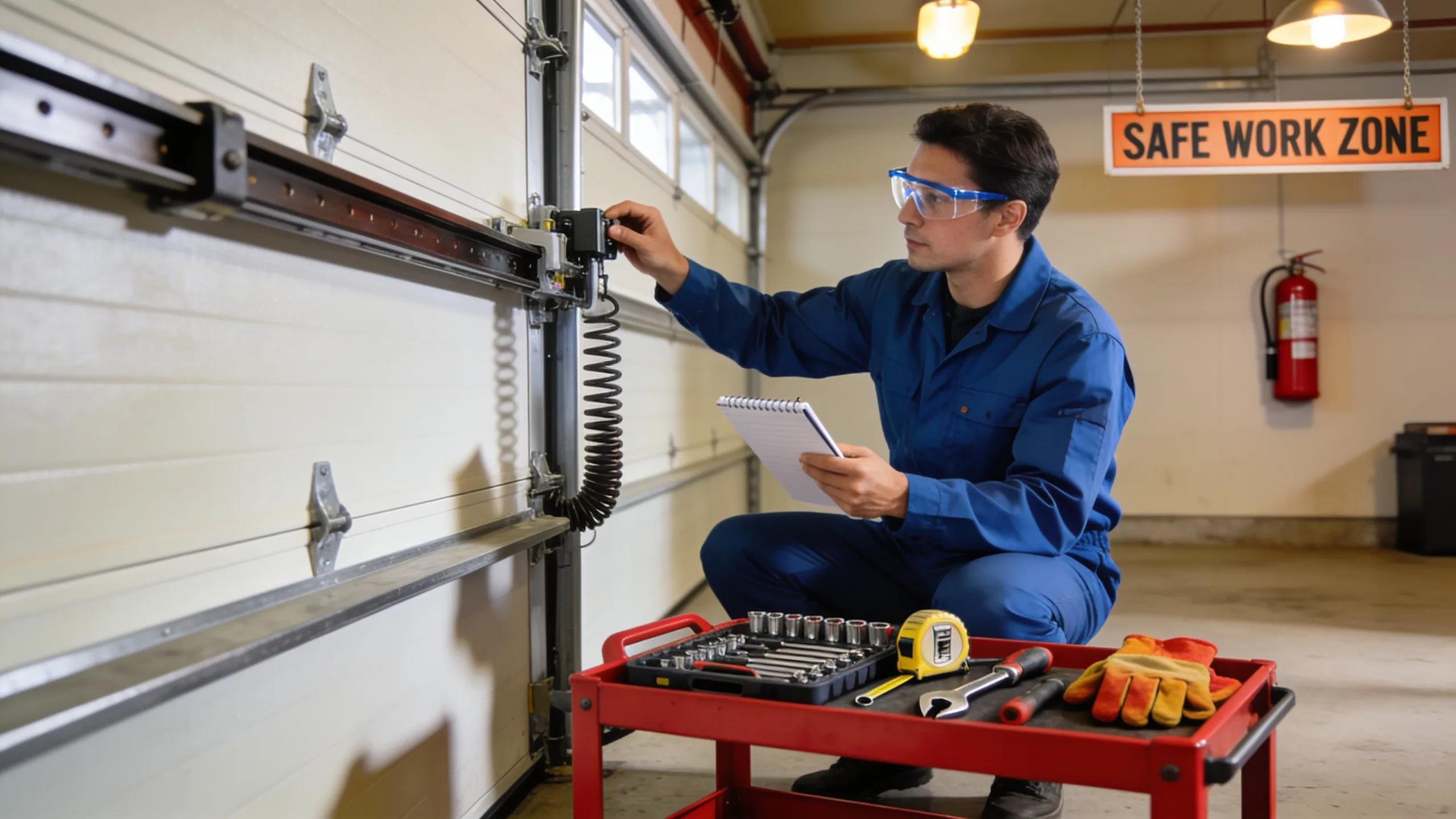
Fixing an off-track garage door requires a careful assessment and methodical approach. Here’s a step-by-step guide on how to address this problem safely:
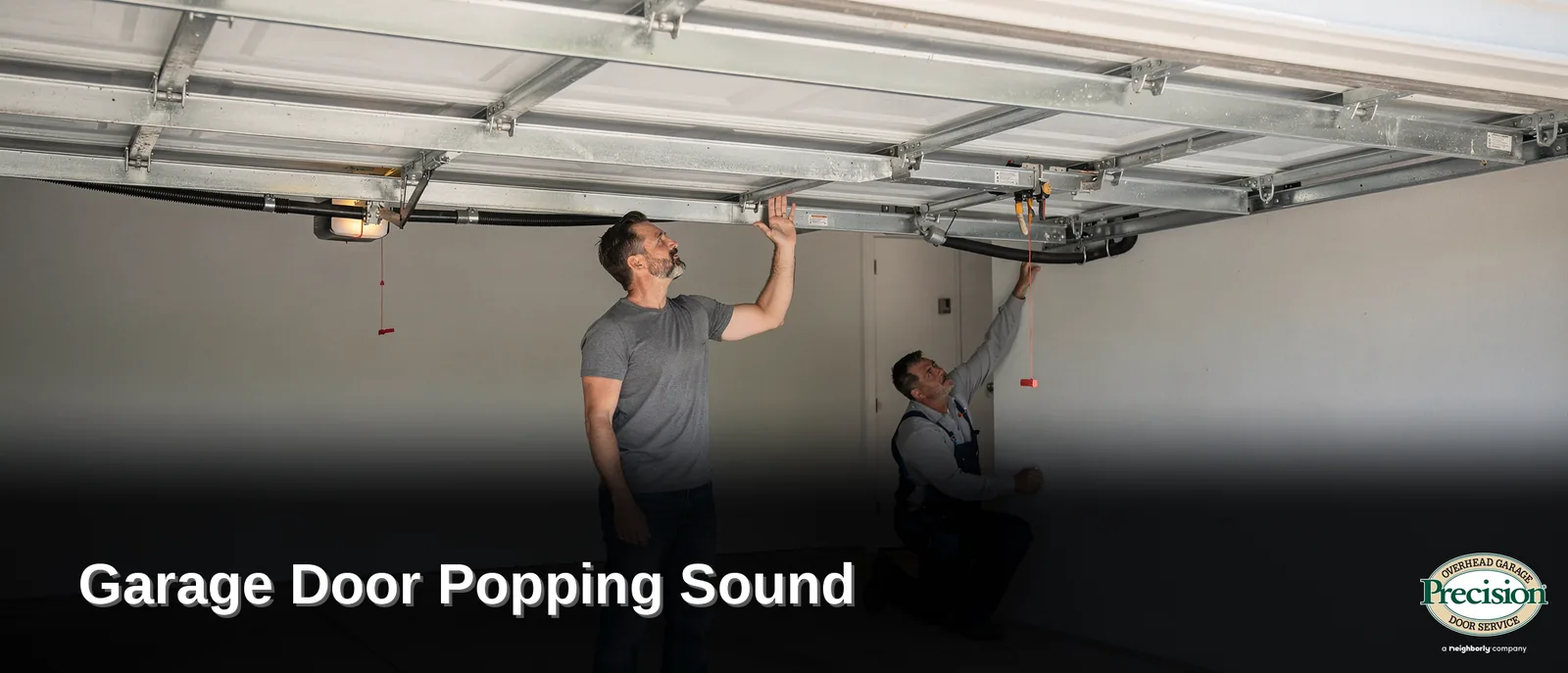
- Assessment: Start by examining the door’s tracks, rollers, and alignment. Look for any visible damage or disrepair that may require immediate attention.
- Tightening Hardware: Ensure all screws and bolts are firmly secured. Loose hardware can contribute significantly to alignment issues.
- Realigning Tracks: Carefully adjust the tracks into their proper places using a level and prior measurements to ensure the door can operate correctly.
- Replacing Damaged Parts: If tracks, rollers, or springs are found to be significantly damaged, they should be replaced promptly to facilitate smooth operation. Essential parts like rollers and springs are critical for proper function.
- Testing: After repairs, test the door’s operation a few times to ensure that it is functioning properly and remains aligned.
If the situation seems daunting or dangerous, expertise from professional services, such as Precision Garage Door Service, can be invaluable for peace of mind and efficacy.
Safety Considerations
Addressing garage door issues carries inherent risks, so homeowners must prioritize safety during repairs.
- High Tension Risks: Garage doors typically have high-tension springs, which can pose a danger if they break. Always exercise caution when working in this area.
- Professional Help: When in doubt, or if the repair raises safety concerns, seek assistance from qualified professionals who specialize in garage door services.
- Avoid DIY Repairs: Attempting repairs without adequate experience can lead to further complications or injuries. If unsure, it’s best to consult with a repair service.
Safety should always be the priority during any maintenance or repair activity regarding garage doors.
Preventive Measures
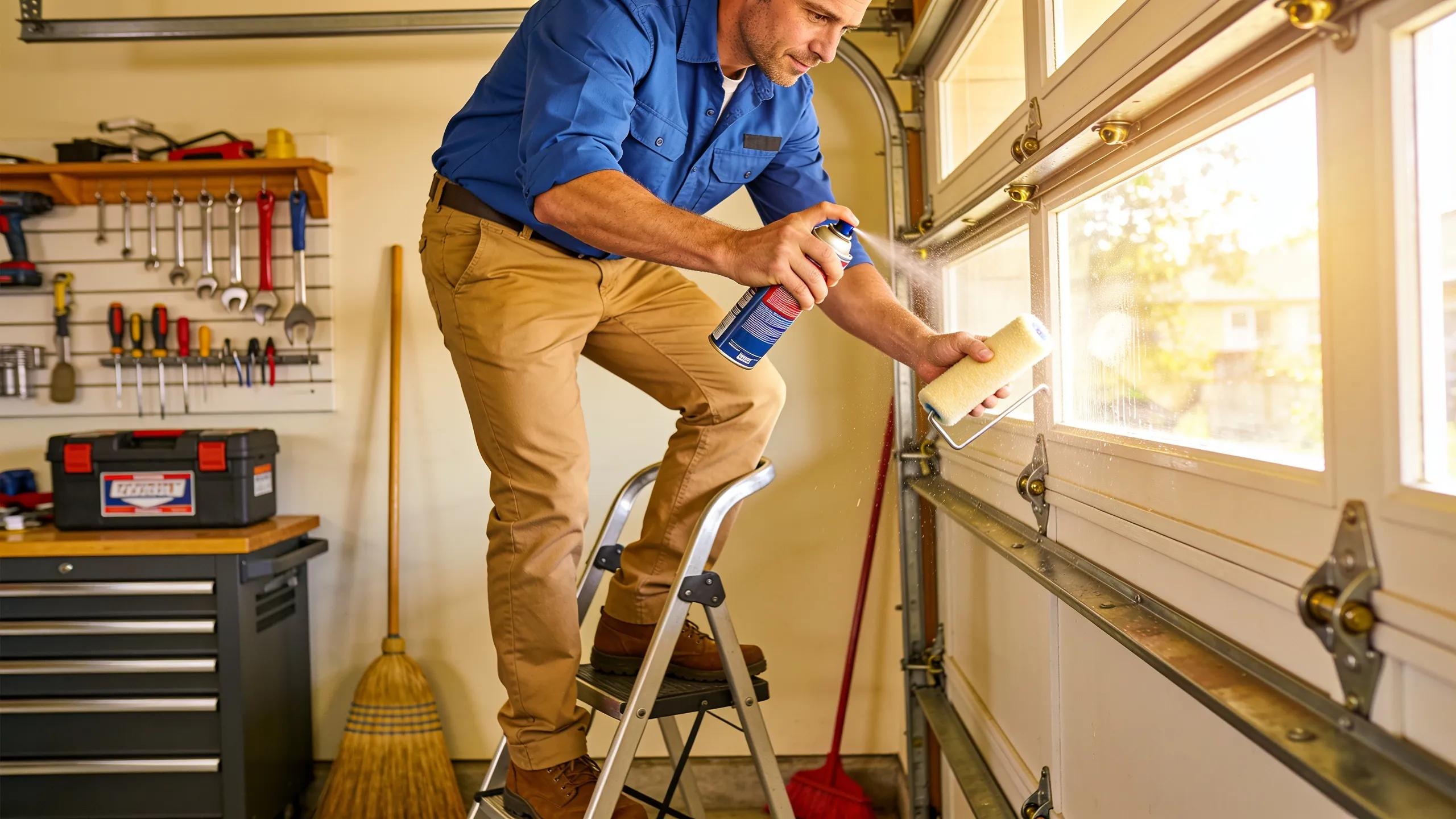
To reduce the likelihood of garage doors going off track, homeowners can implement several preventive measures:
- Regular Inspections: Regularly check the operation of your garage door, inspecting tracks, rollers, springs, and hardware to catch any issues early.
- Lubrication: Lubricating moving parts such as rollers and hinges can help maintain smooth operation and extend the life of the garage door system.
- Monitor Usage: Be mindful of how frequently the door is used and avoid slamming it or applying excessive force when opening or closing.
- Weather Considerations: Ensure that weather conditions aren’t affecting the tracks. Snow, ice, or other debris can cause interference or block movement.
- Professional Maintenance: Establish a routine for professional garage door maintenance, ensuring all components are functioning properly and preventing future issues.
By abiding by these measures, homeowners can prolong the life of their garage doors and ensure reliable operation.
What Are the Most Common Causes of Garage Doors Going Off Track?
Common causes of garage doors going off track include physical damage, environmental influences, and mechanical failures. Homeowners should be observant of changes in door operation to identify potential problems.
How Do Broken Springs and Cables Affect Track Alignment?
Broken springs or cables can significantly compromise a garage door’s ability to remain aligned. Without the necessary tension, the door can shift and become misaligned, leading to off-track issues that must be corrected by replacing the broken components. For immediate assistance with broken springs, professional services are recommended.
What Role Do Worn or Damaged Rollers and Track Bending Play?
Worn or damaged rollers can hinder smooth movement along the tracks, causing misalignment. Similarly, bent tracks can prevent the rollers from staying on course, exacerbating the issue of the door going off track.
How Can You Safely Diagnose and Fix a Garage Door That’s Off Track?
What Steps Should Homeowners Take Before Attempting Repairs?
Homeowners should first assess the situation, ensuring they have the tools needed for any minor repairs. Disconnecting the power and ensuring the garage door is closed can prevent further injury during the process.
When Is It Advisable to Contact a Professional Repair Service?
If the door appears significantly damaged or if the homeowner is uncomfortable attempting repairs, it’s advisable to contact professionals like Precision Garage Door Service, who can offer expert assistance and ensure safety.
What Are the Typical Costs and Timeframes for Garage Door Off Track Repairs?
How Does Track Replacement Compare to Track Realignment in Cost?
Typically, track replacement is more expensive than realignment due to the cost of materials and labor involved. However, if tracks are severely damaged, replacement may be necessary to ensure proper operation.
What Factors Influence Repair Duration and Pricing?
Factors such as the extent of damage, the cost of replacement parts, and labor can influence the total time and price for repairs. Homeowners should seek multiple estimates to understand potential costs better.
How Can Preventative Maintenance Help Avoid Garage Door Track Misalignment?
What Routine Maintenance Tasks Preserve Track and Roller Functionality?
Routine maintenance, including cleaning tracks, lubricating moving parts, and ensuring proper alignment can help keep the garage door functioning smoothly and prevent off-track problems. Addressing common rollers and cables issues is part of this maintenance.
Which Signs Indicate Early Track or Component Wear?
Homeowners should be vigilant for signs such as unusual noises when operating the door, uneven movement, or visible wear and tear on tracks and rollers. Addressing these signs early can prevent more significant issues down the line.