Why Your Garage Door Won’t Close
Why Your Garage Door Won’t Close: Reliable Troubleshooting and Repair Solutions
Garage doors are vital components of home security and convenience, but when they fail to close, it can lead to significant frustration and safety concerns. A malfunctioning garage door may indicate underlying mechanical or electrical issues that need attention. In this article, we will explore the common reasons why a garage door won’t close, along with step-by-step diagnostic procedures and actionable tips for resolution. Readers will learn about the specific mechanical problems, the roles of parts such as springs and cables, and the impact of electronic issues. Additionally, we will touch on when it’s best to contact professional garage door repair services to ensure safety and proper functionality.
Common Causes
Identifying the common causes of a garage door not closing is essential for effective troubleshooting. Issues can stem from both mechanical failures and electronic malfunctions. Understanding these reasons can guide homeowners towards appropriate solutions.
- Sensor Malfunctions: Garage doors often rely on sensors that detect obstructions. When these sensors malfunction due to dirt, misalignment, or damage, the door may not close.
- Broken Springs: The springs support the garage door’s weight. A broken spring can prevent the door from closing properly.
- Opener Issues: Problems with the garage door opener, such as electrical failures or misconfigurations, can prevent the door from closing.
Diagnostic Steps
Effective diagnostics are key to identifying the specific issue preventing your garage door from closing. Here are several steps to follow when troubleshooting:
- Check Sensors: Ensure the sensors are clean and properly aligned. Any blockages or misalignments can disrupt their function.
- Inspect Springs: Visually check the springs for any signs of wear or breakage. Properly functioning springs are crucial for the door’s operation.
- Test the Opener: Check the garage door opener for any signs of malfunction, such as unusual noises or failure to respond to remote signals.
Tips for Effective Resolution
Implementing effective solutions can resolve common garage door issues quickly. The following tips provide actionable strategies for troubleshooting and maintenance.
Reset the Opener
Resetting the garage door opener is one of the simplest methods to troubleshoot issues. This process typically involves unplugging the unit for a few minutes, then plugging it back in to clear any internal errors. This step often restores functionality if the opener has encountered a temporary glitch.
Lubricate Moving Parts
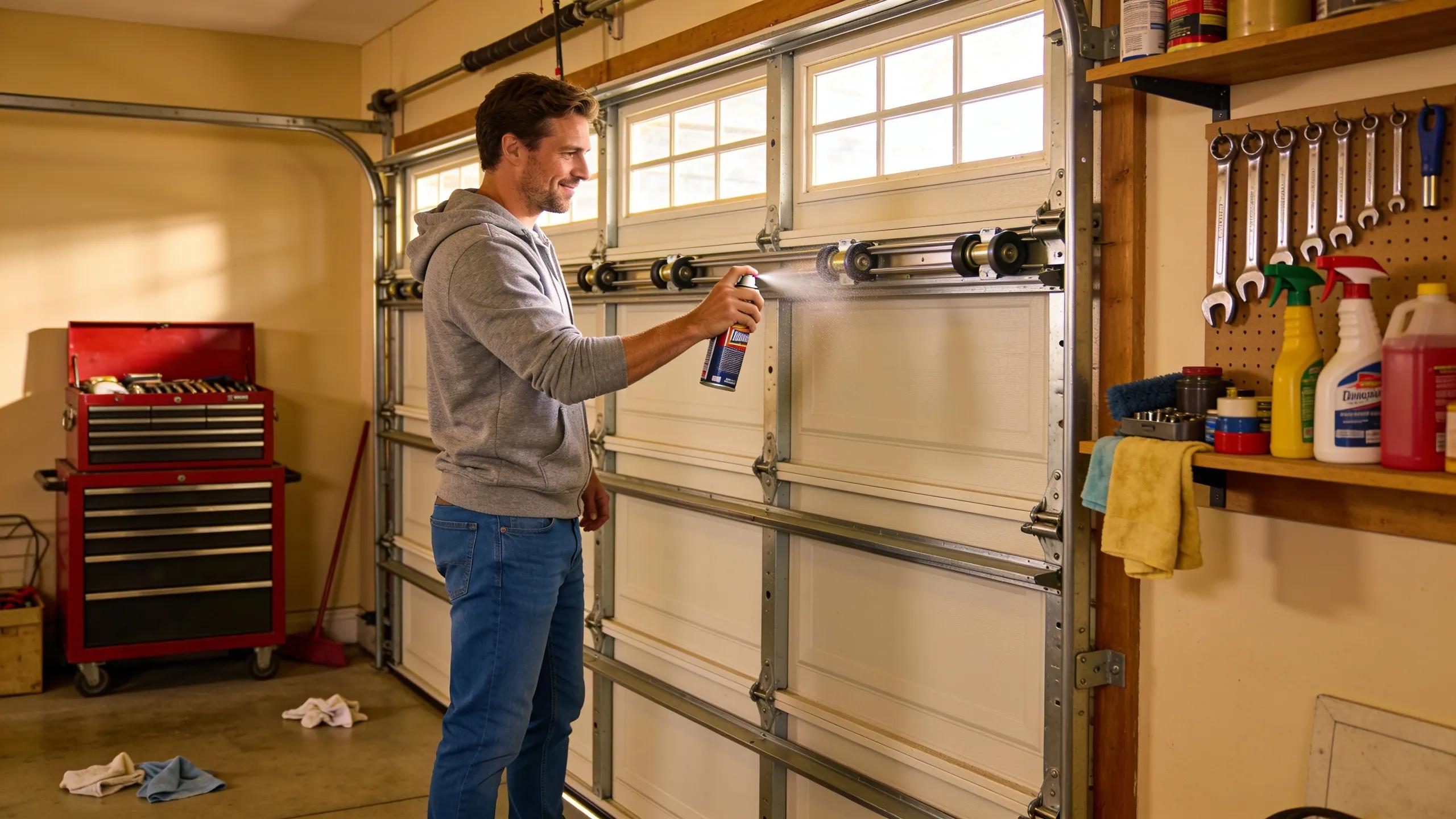
Regular lubrication of moving parts, including rollers, tracks, and hinges, is crucial for maintaining smooth operation. Using a silicone-based lubricant can reduce friction and prevent mechanical wear. Aim to lubricate these components every six months to ensure optimal performance.
Professional Help
When troubleshooting efforts prove unsuccessful, contacting a professional garage door repair service may be necessary. Experts can diagnose complex issues and perform repairs safely and effectively. Signs that suggest professional assessment include unusual noises, visible damage to door components, or repeated opener malfunctions.
Preventive Maintenance
Regular preventive maintenance can dramatically decrease the likelihood of future issues with garage door closure. Homeowners should schedule routine inspections and maintenance to identify potential problems early. This practice extends the life of the garage door system and enhances its reliability over time.
What Mechanical Problems Cause a Garage Door Not to Close?
Several specific mechanical issues can prevent a garage door from functioning properly. Identifying these problems can lead to timely repairs and enhanced safety.
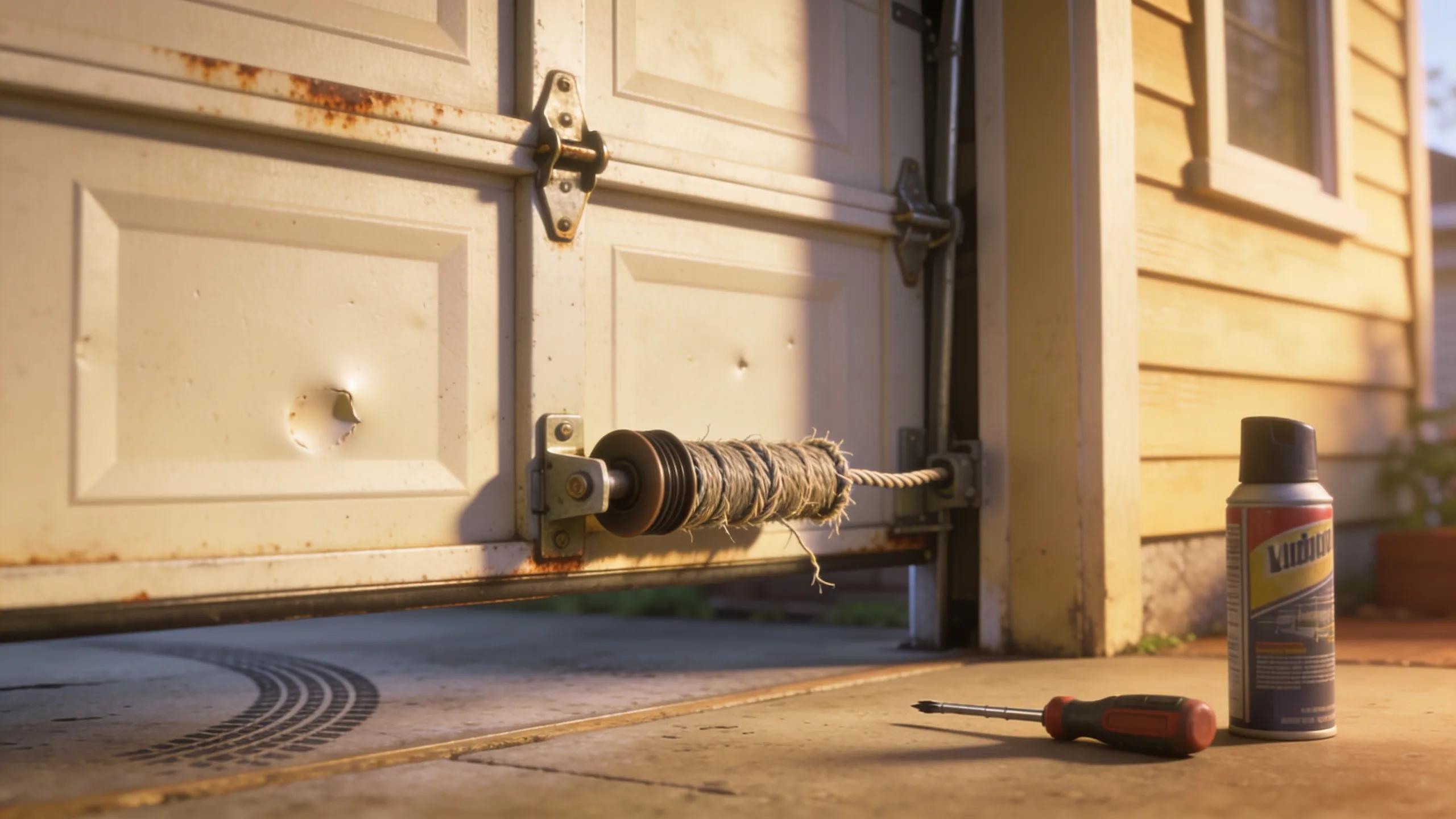
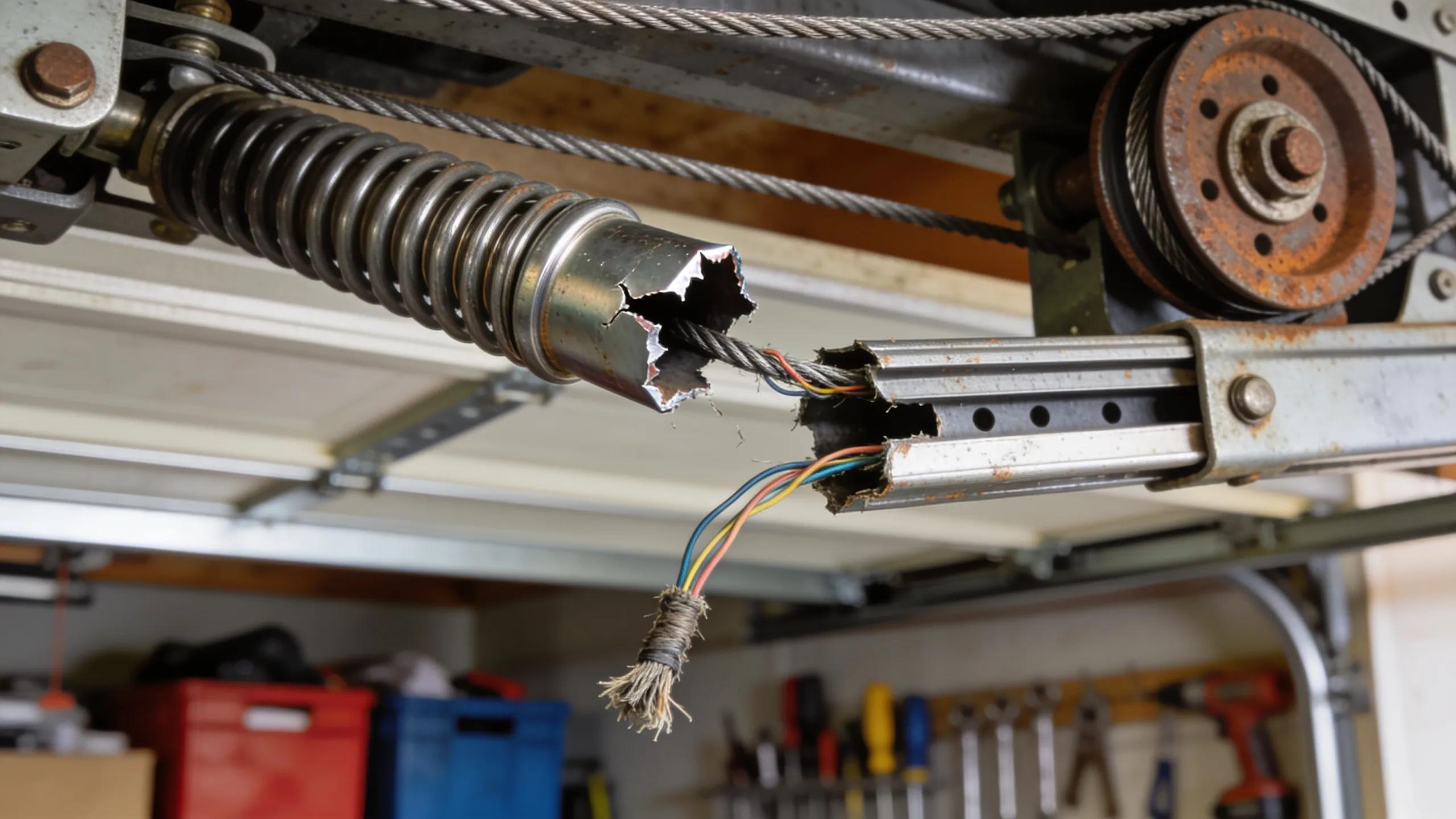
- Worn or Broken Springs: A critical component, springs weaken over time, which can result in insufficient support for the door’s weight. This may prevent it from closing completely or cause it to slant during operation.
- Faulty Cables: Cables work in conjunction with springs to lift the door. A frayed or broken cable can disrupt the mechanism, leading to incorrect operation.
- Worn Rollers: Rollers guide the door along its tracks. If they become worn or dirty, the door may struggle to move smoothly, preventing proper closure.
How Do Broken Springs Affect Garage Door Closure?
Broken springs significantly affect the functionality of garage doors. They bear the weight of the door, allowing it to open and close smoothly. When a spring breaks, the door’s balance is compromised, making it nearly impossible to close and posingpotential safety hazards.
Delving deeper into how springs influence garage door mechanics, the following citation offers valuable insights into their critical role.
Why Are Cables and Rollers Critical for Garage Door Movement?
Cables and rollers are essential components that work together to enable the smooth movement of a garage door. Cables transmit the force generated by the springs, while rollers allow the door to glide along its tracks. Any issues with these components can hinder the door’s proper functioning, leading to operational failures.
How Can Electronic Issues Prevent Your Garage Door from Closing?
Electronic malfunctions can significantly impair a garage door’s operation. Common electronic issues include:
- Faulty Sensors: If the safety sensors are not working, they will prevent the door from closing to avoid accidents.
- Power Supply Problems: The garage door opener relies on a consistent power supply; interruptions can prevent the unit from functioning correctly.
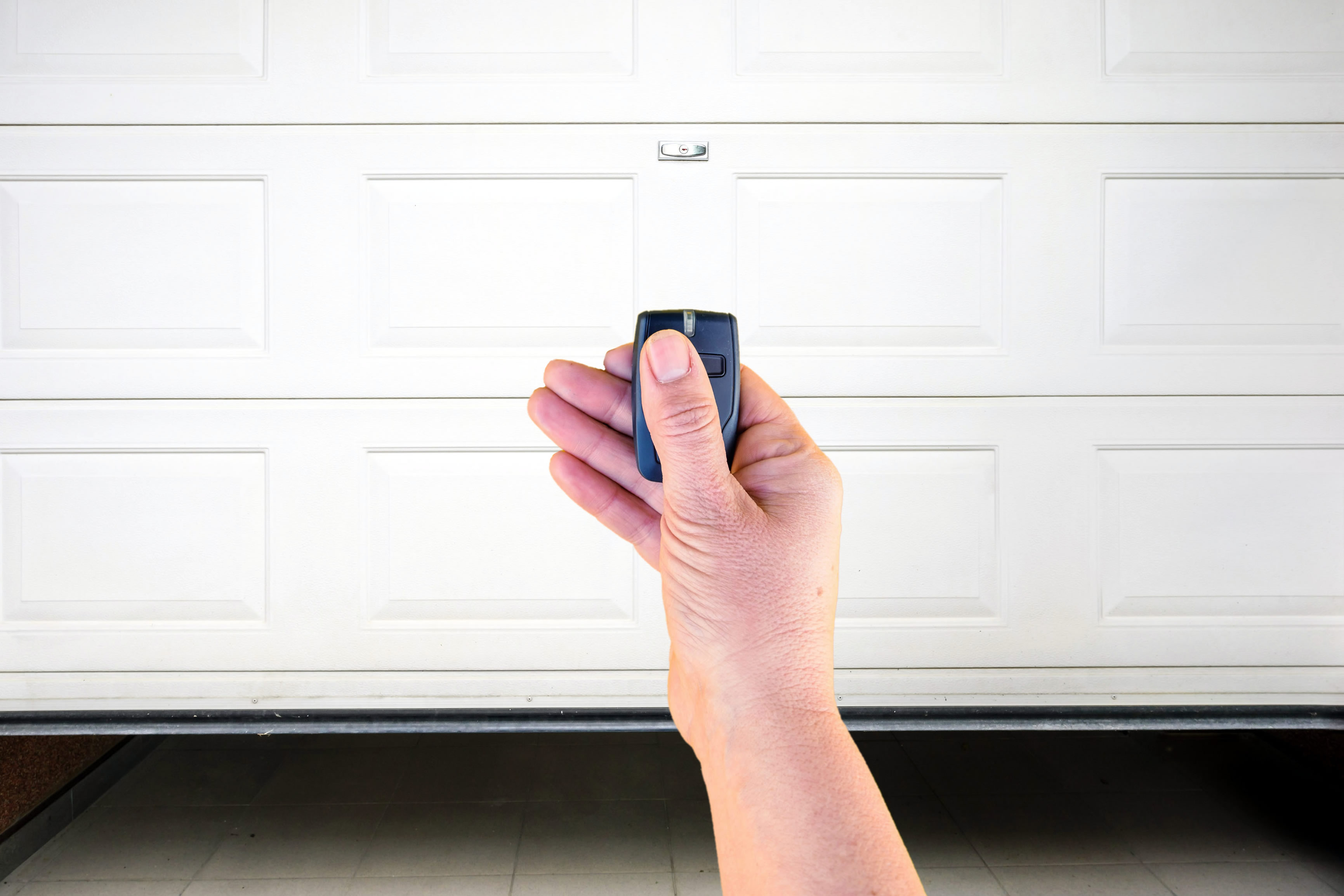
- Control Malfunctions: Issues with remote or wall-mounted button controls can cause unresponsive door operation.
What Are Common Garage Door Opener Malfunctions?
Various problems can arise with the garage door opener, affecting its operation. Recognizing these malfunctions allows homeowners to take appropriate action.
- Unresponsive Opener: When the garage door opener does not respond to commands, it may indicate a remote battery issue or a power supply failure.
- Intermittent Functionality: If the opener works sporadically, there may be wiring issues or internal component failure.
- Strange Noises: Unusual sounds from the opener may suggest mechanical wear or internal malfunctions that require attention.
Why Do Sensor Problems Cause the Door to Stay Open?
Sensor problems can prevent the garage door from closing as intended. When sensors are misaligned or dirty, they may mistakenly perceive an object in the door’s path, triggering the safety mechanism that keeps the door open. Regular maintenance of the sensor system can mitigate this issue.
What Maintenance Steps Help Prevent Garage Door Closure Failures?
Regular maintenance is crucial for preventing garage door closure failures. Homeowners should undertake the following maintenance practices:
- Routine Inspections: Regularly inspect all components, including springs, cables, and sensors, for signs of wear or damage.
- Lubrication: Keep moving parts well lubricated to prevent wear and ensure smooth operation.
- Tightening Hardware: Periodically check and tighten any loose hardware to enhance stability and performance.
How Often Should You Inspect Springs, Cables, and Rollers?
Inspecting springs, cables, and rollers should be a regular part of garage door maintenance. Homeowners should aim for a thorough inspection every six months to ensure all components are functioning correctly and to identify potential issues before they become serious.
What Cleaning and Adjustment Practices Promote Reliable Door Operation?
Regular cleaning and adjustment practices can promote the longevity and reliability of a garage door system. Key practices include:
- Cleaning Tracks: Regularly remove debris from tracks to prevent obstruction and ensure smooth movement.
- Adjustment of Sensors: Periodically check sensor alignment to ensure unobstructed functionality.
- Tightening Hardware: Ensure all hardware is secure to maintain optimal performance.
When Should You Contact Professional Garage Door Repair Services?
Recognizing when to contact professional garage door repair services is essential for resolving issues effectively. If any signs of malfunction persist, such as repeated failures, audible grinding noises, or visible damage to the door components, it’s crucial to seek expert assistance.
How Do Professionals Diagnose and Fix Garage Door Closure Issues?
Professional garage door technicians utilize a systematic diagnostic process to identify closure issues. They conduct a thorough assessment of mechanical and electronic components, checking for wear, alignment, and operational efficiency. This expert evaluation ensures that all relevant problems are addressed, significantly improving the garage door’s functionality.
What Are the Benefits of Choosing Certified Repair Experts in Irvine?
Choosing certified repair experts ensures high-quality service for garage door repairs. Homeowners benefit from access to professional expertise, reliable diagnostics, and high-quality OEM parts that enhance repair durability. Furthermore, certified experts can quickly resolve issues, providing peace of mind and restoring the safety and functionality of the garage door system.